A Juice Box For Your Pain
2026
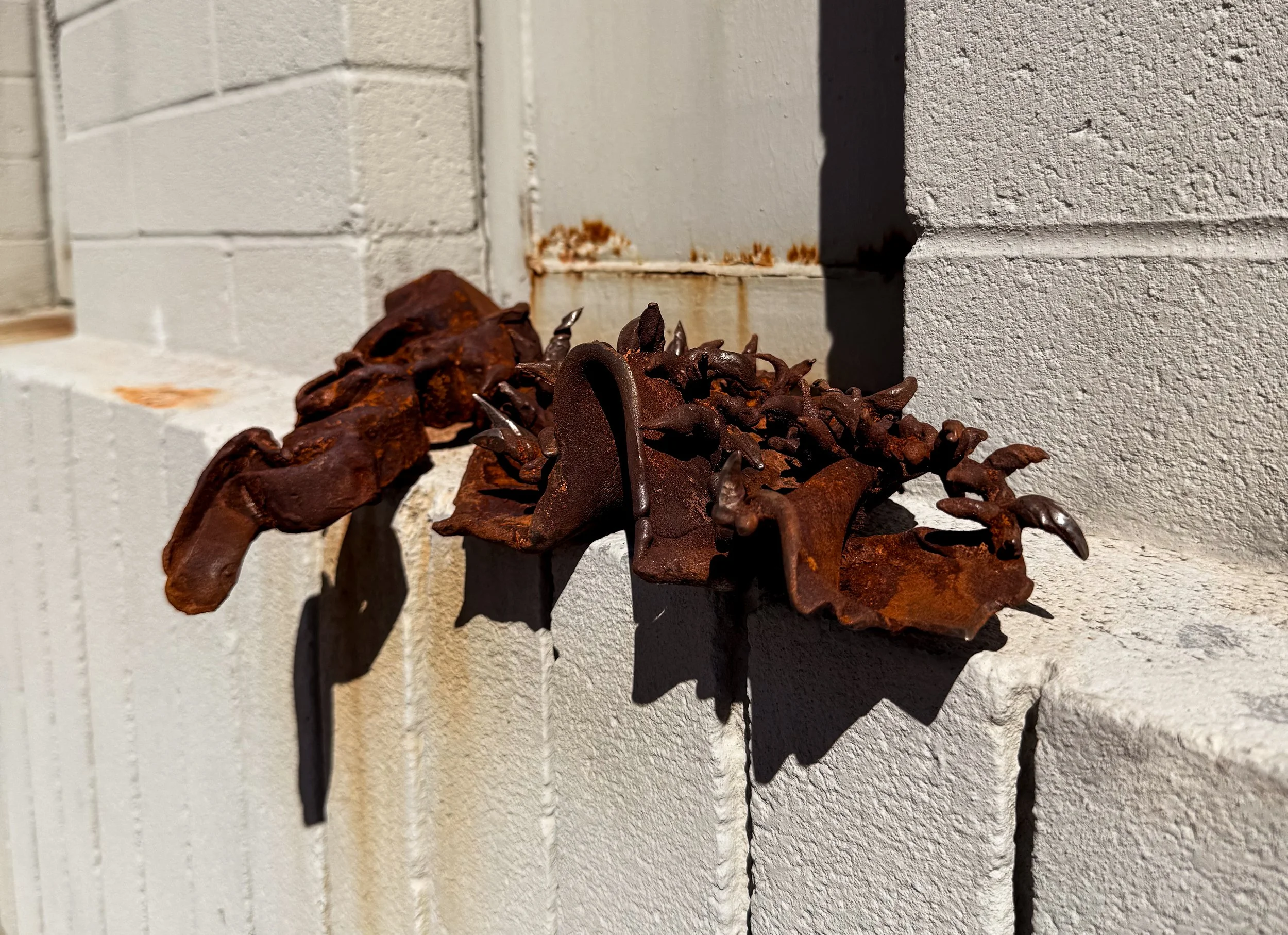
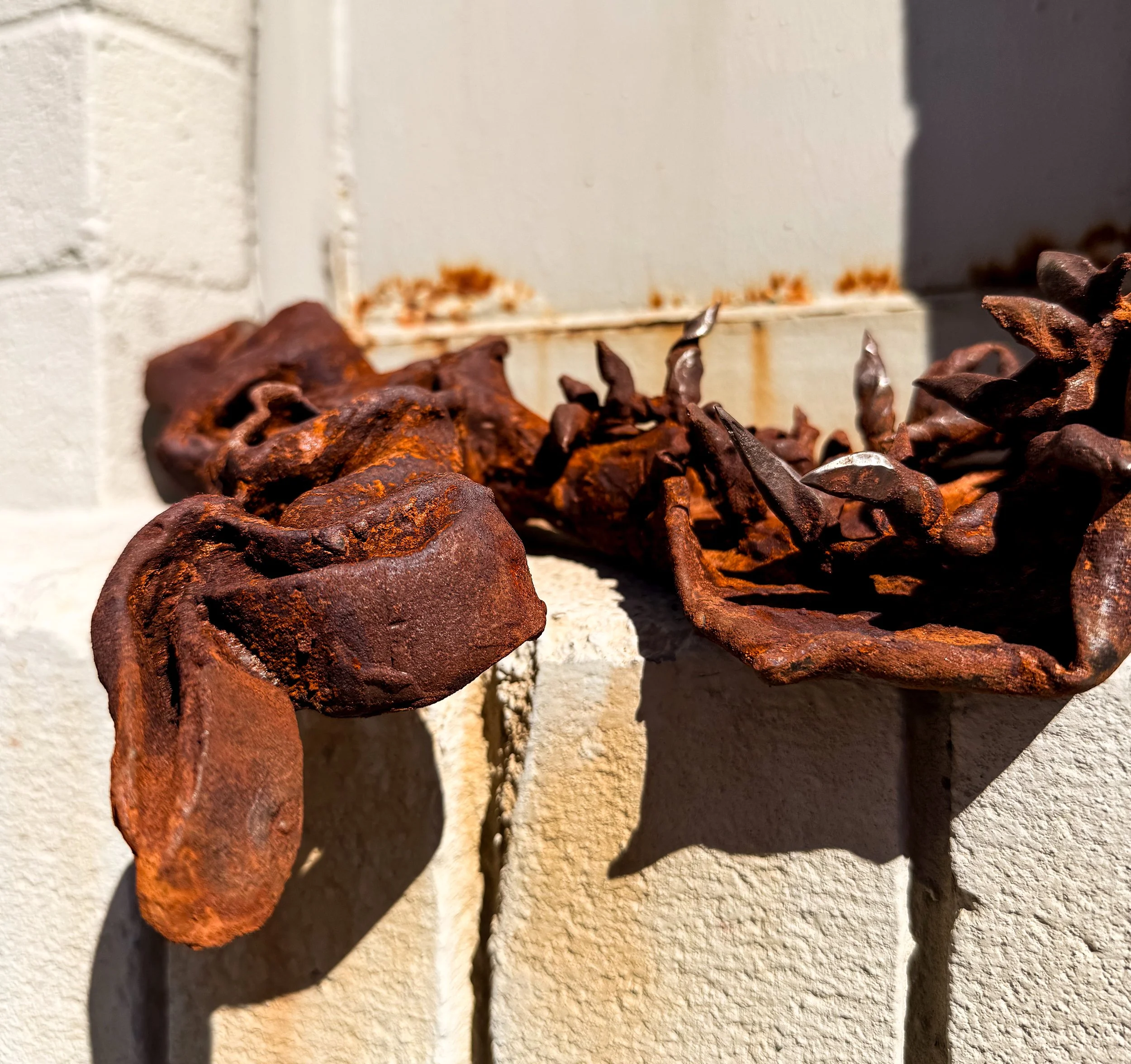
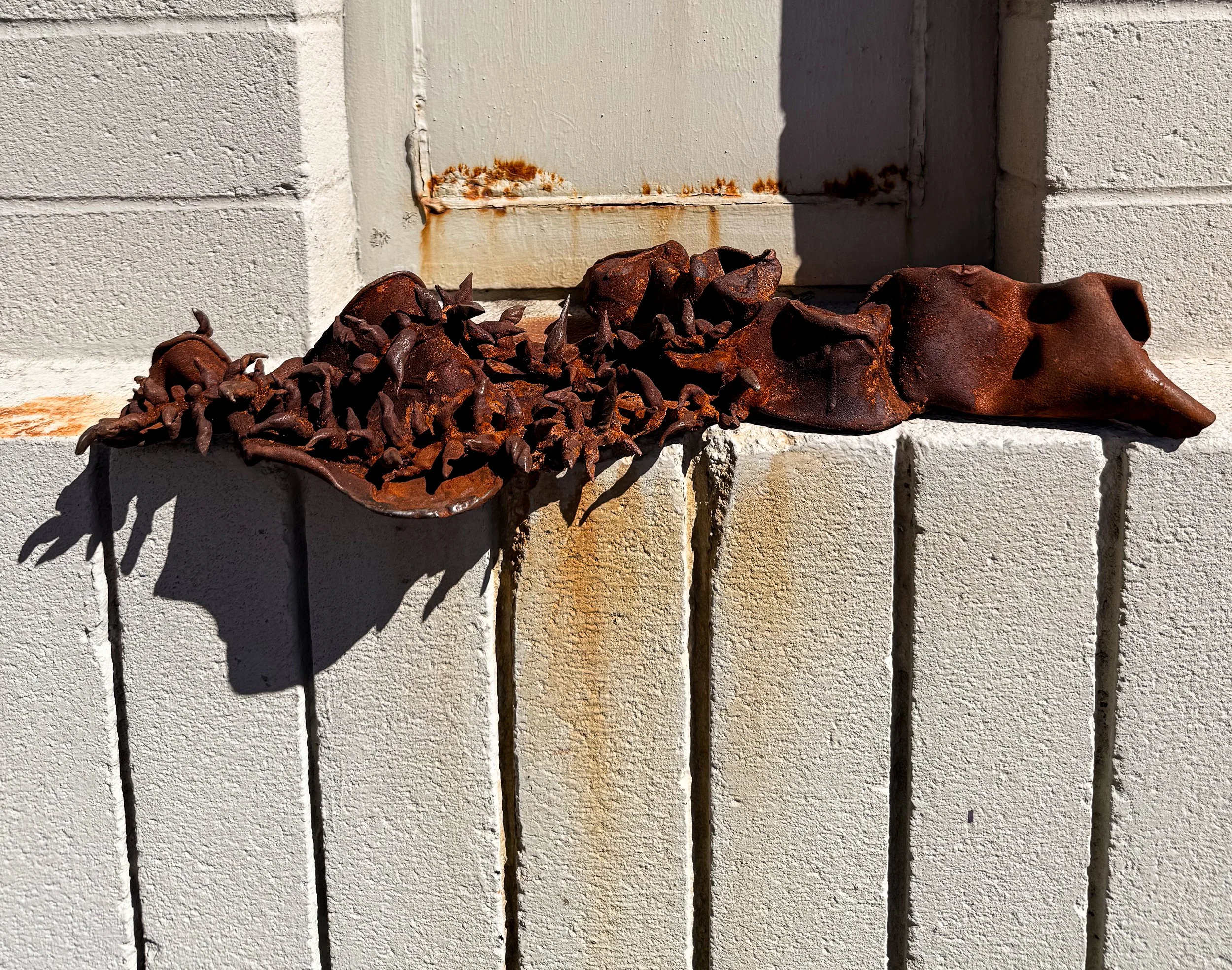
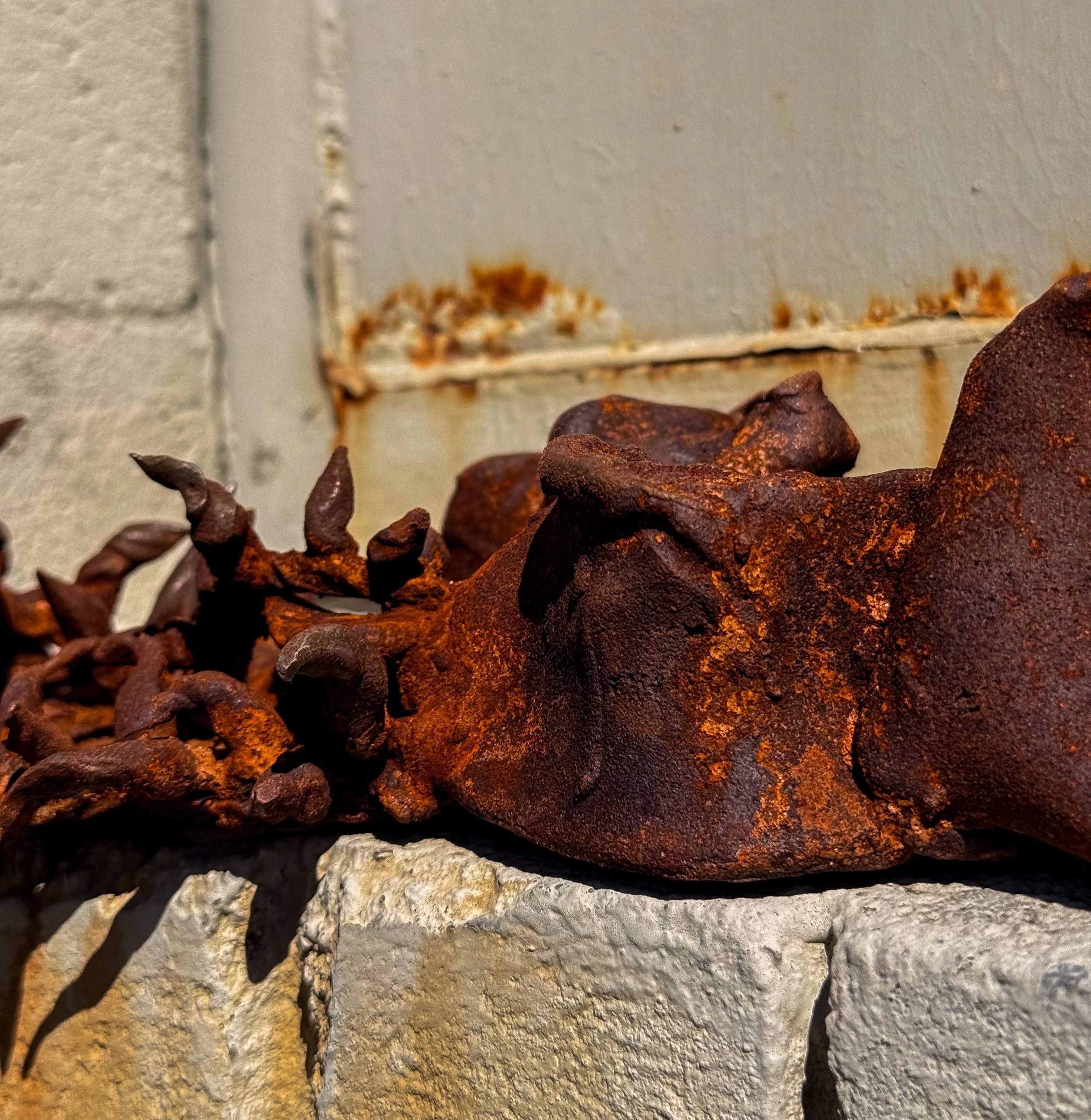
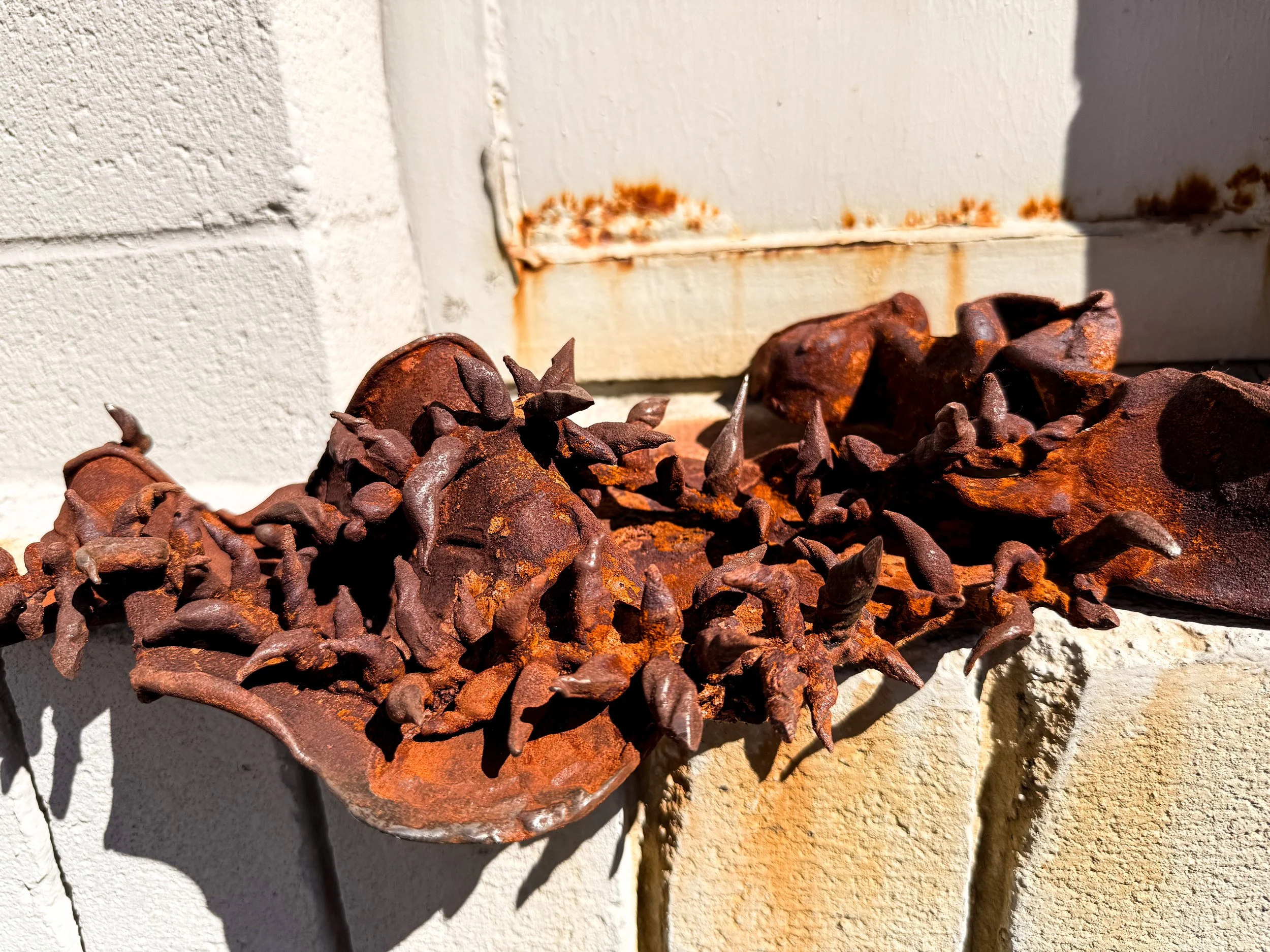
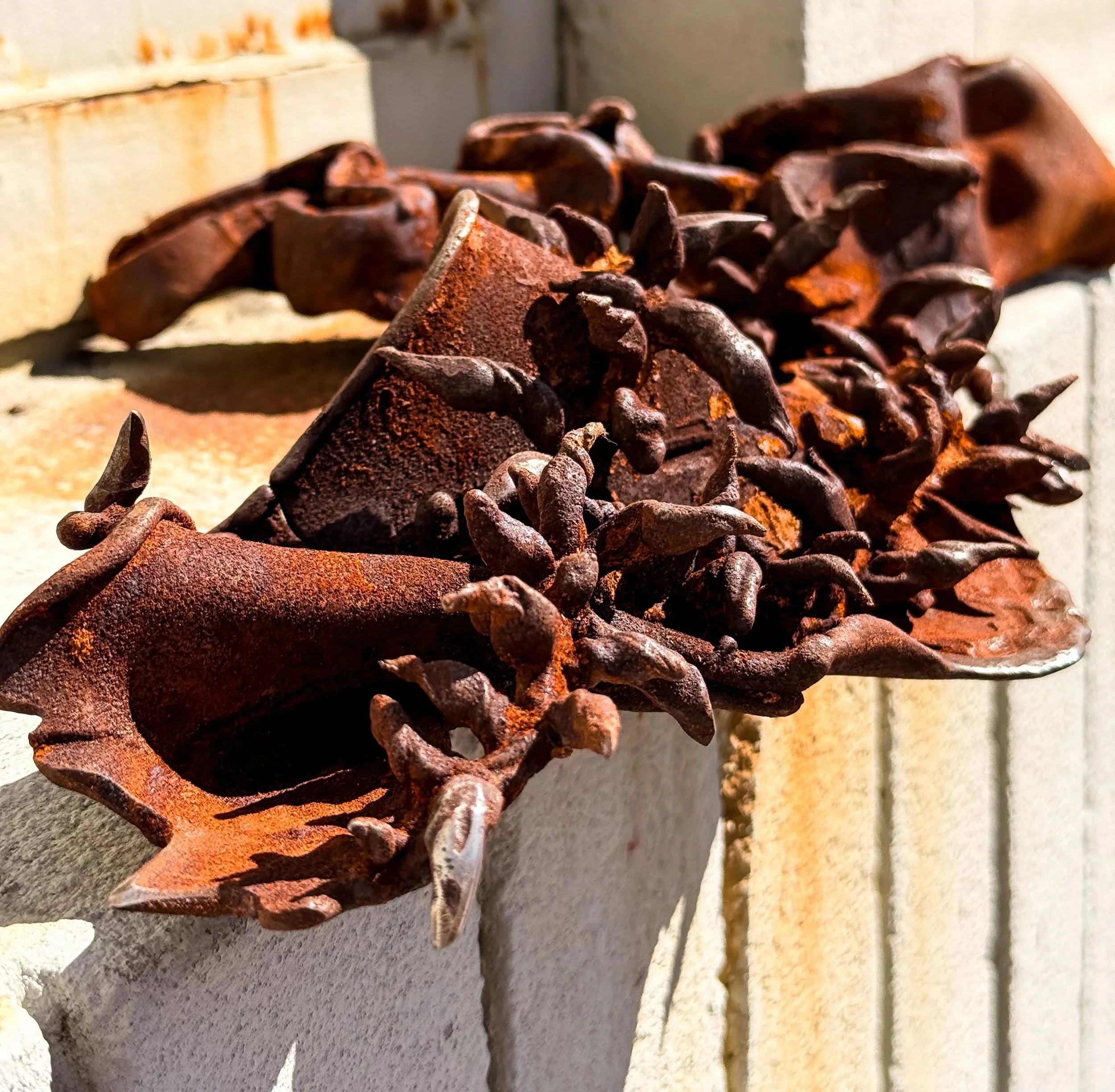
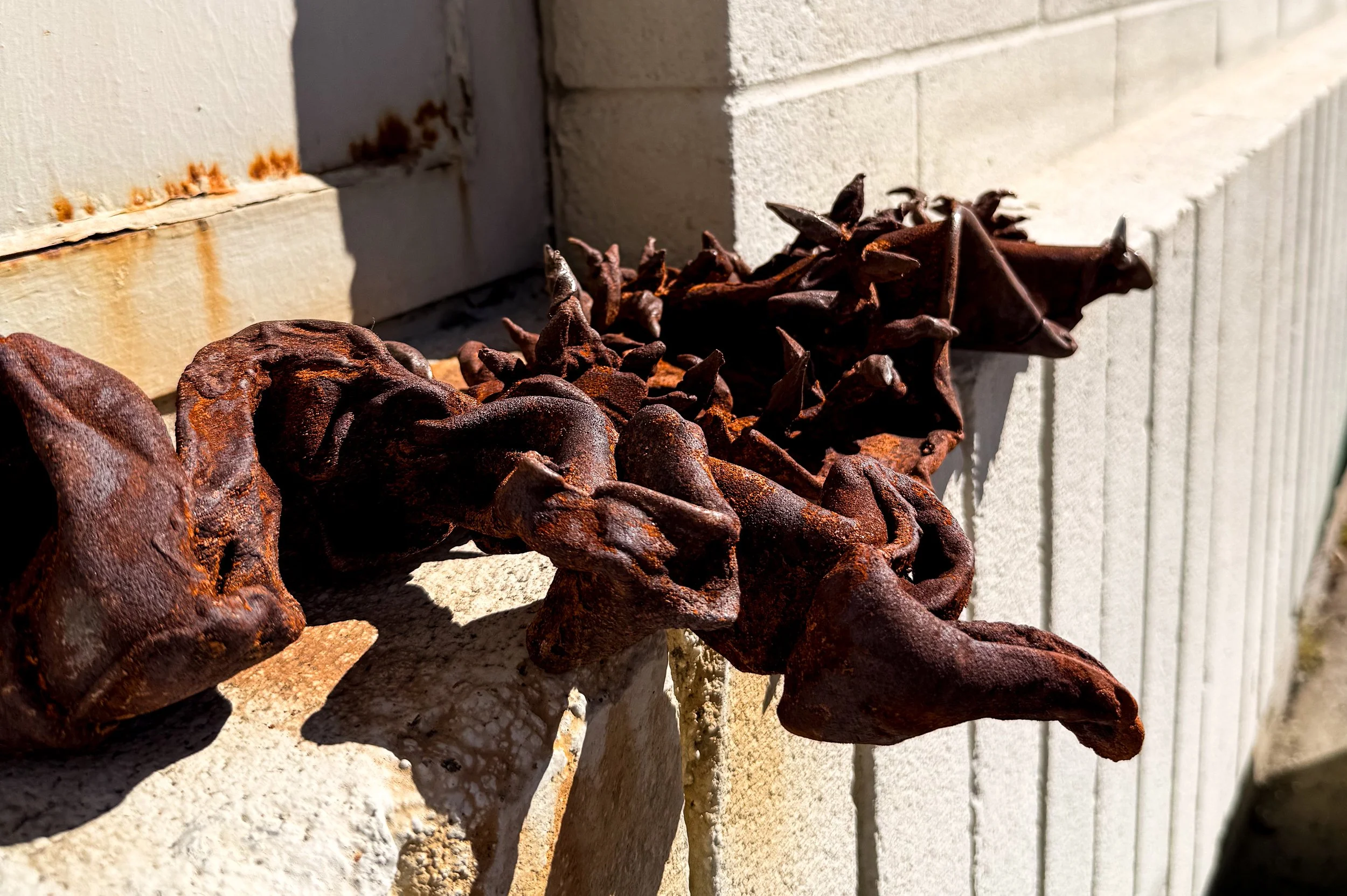
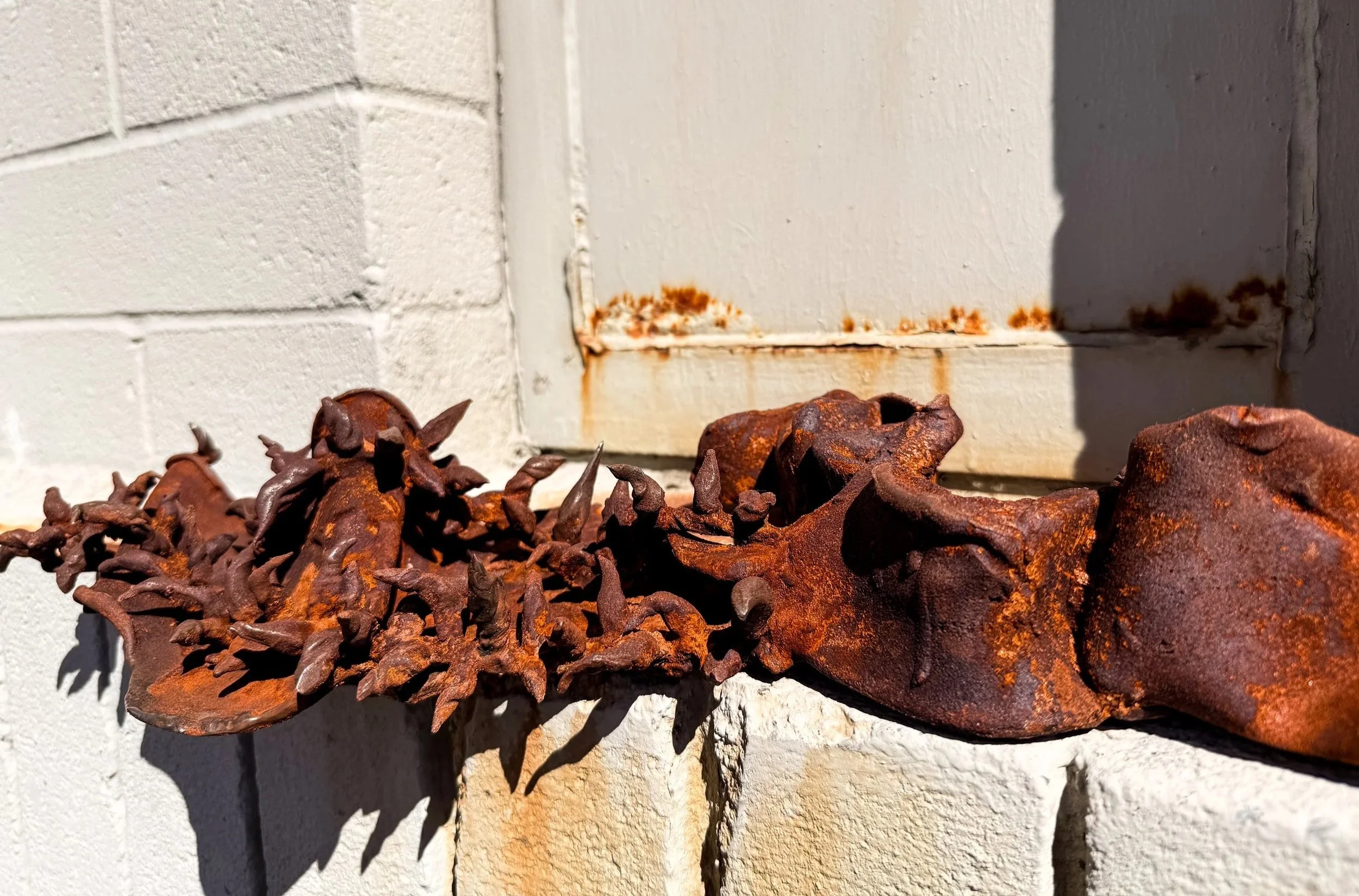
Cast Iron “Chainsaw”
In 1780, surgeon John Aitken and James Jeffray designed and invented the hand cranked chain osteotome, the ancestor to today’s chainsaw. Many doctors at this time saw this invention as a revolution. One specific purpose the chain osteotome was utilized and created for, was to aid in childbirth through a procedure called a Symphysiotomy. This involved sawing through the cartilage and ligaments of the pelvic joint and sometimes the bone to help infants pass through the birth canal. While the procedure was less fatal than cesareans at the time due to the lack of anesthesia and other medical advances, symphysiotomies cost a lot for the mother in the aftermath. This method was incredibly traumatizing and debilitating to women. Eventually the chainsaw was repurposed to cut down wood, as its aggressive nature is more suited to a tougher material. In 1905, inventor Samuel J. Bens patented the chainsaw, as he realized the medical chainsaw could cut through redwood trees even better than it could bone.
With medical advancements like anesthesia and precision tools, surgeons began reverting back to cesareans as a more appropriate procedure for childbirth. In 20th century Ireland, however, symphysiotomies remained the more popular surgical option due to religious reasons. Doctors continued to operate on women using this method up into the 1980s. The women who were forced to give birth this way described this procedure as terrifying and agonizing, and many claimed they were operated on without consent and without anesthesia. Many of these Symphysiotomy patients thought that the procedure was the root cause of later miscarriages they had as well as describing having consistent issues with incontinence, pain, and early arthritis.
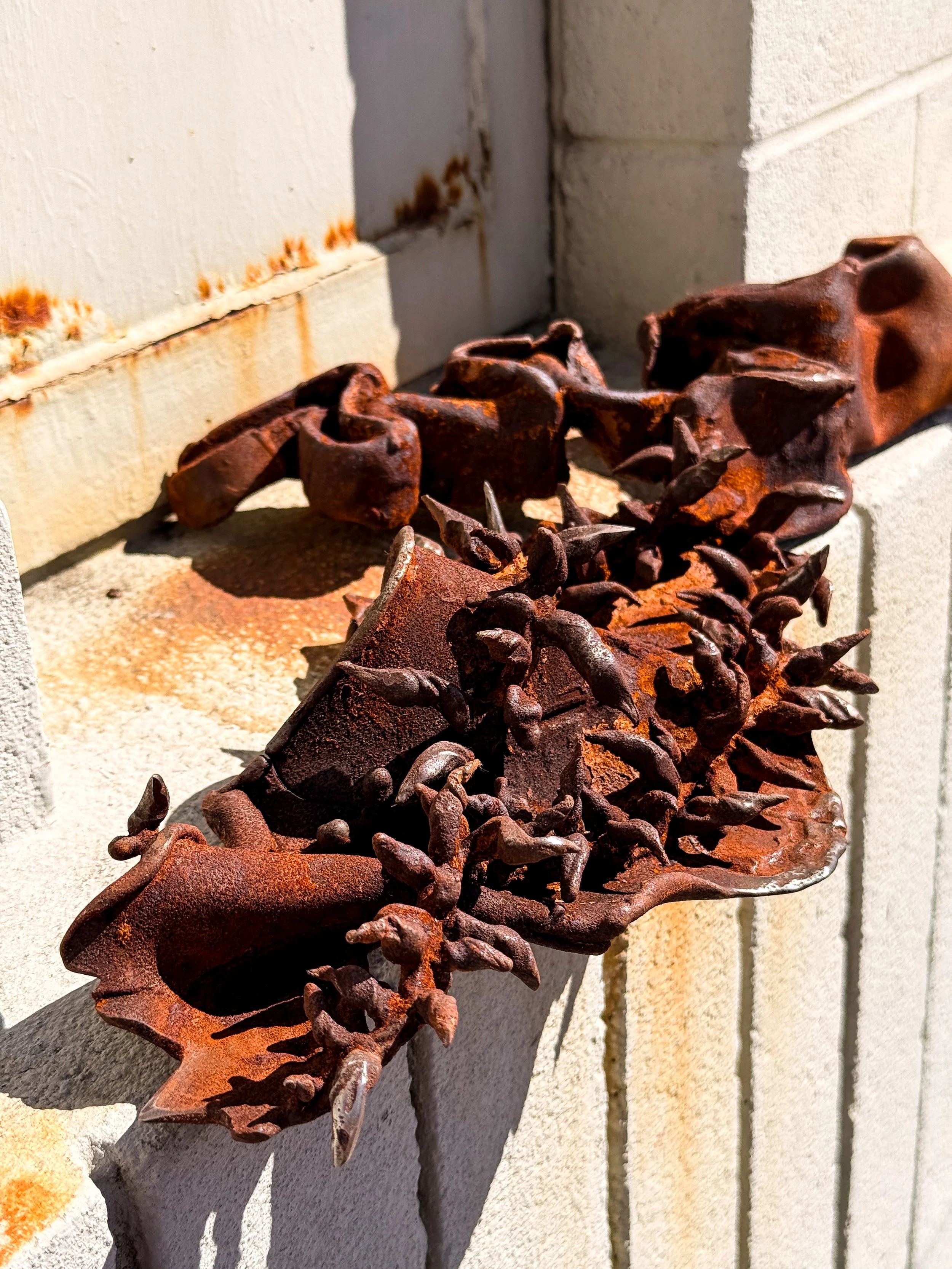
With this piece I wanted to emulate what it feels like for women to have archaic tools used on our bodies to this day. While the tool and procedure to execute c-sections has evolved, there are so many aspects of women’s health that continue to be outdated, underfunded, and under researched. Our pain continues to be nothing but a statistic.
The title of this piece comes from my own experience within the healthcare system. I have had a history of abnormal pap smears since I was young. Pap smears are done to detect ovarian cancer cells. In order to get further testing and more accurate results doctors will perform a colposcopy, which is where they scrape the cervix with a metal tool to collect cells for them to test. And while they try and convince you it’s painless, as someone who has received more than half a dozen in her lifetime it’s anything but painless. During my most recent colposcopy in 2022, I was in so much pain I couldn’t help from crying. As I endured, the doctor continued to say, “You’re doing great, just breath. Almost done, it doesn’t hurt!”. A series of phrases that still enrage me to this day. After the procedure was done, and I was left in the stirrups to gather myself, the nurse walked back in with a Juicy Juice juice box in her hand. As she placed it on the table next to me, she looked up with a big smile to say, “a juice box for your pain”. She turned and swiftly left the room. I sat there for a long time, stewing in embarrassment and humiliation. A juice box for my pain.
Our pain continues to be nothing but a statistic.